
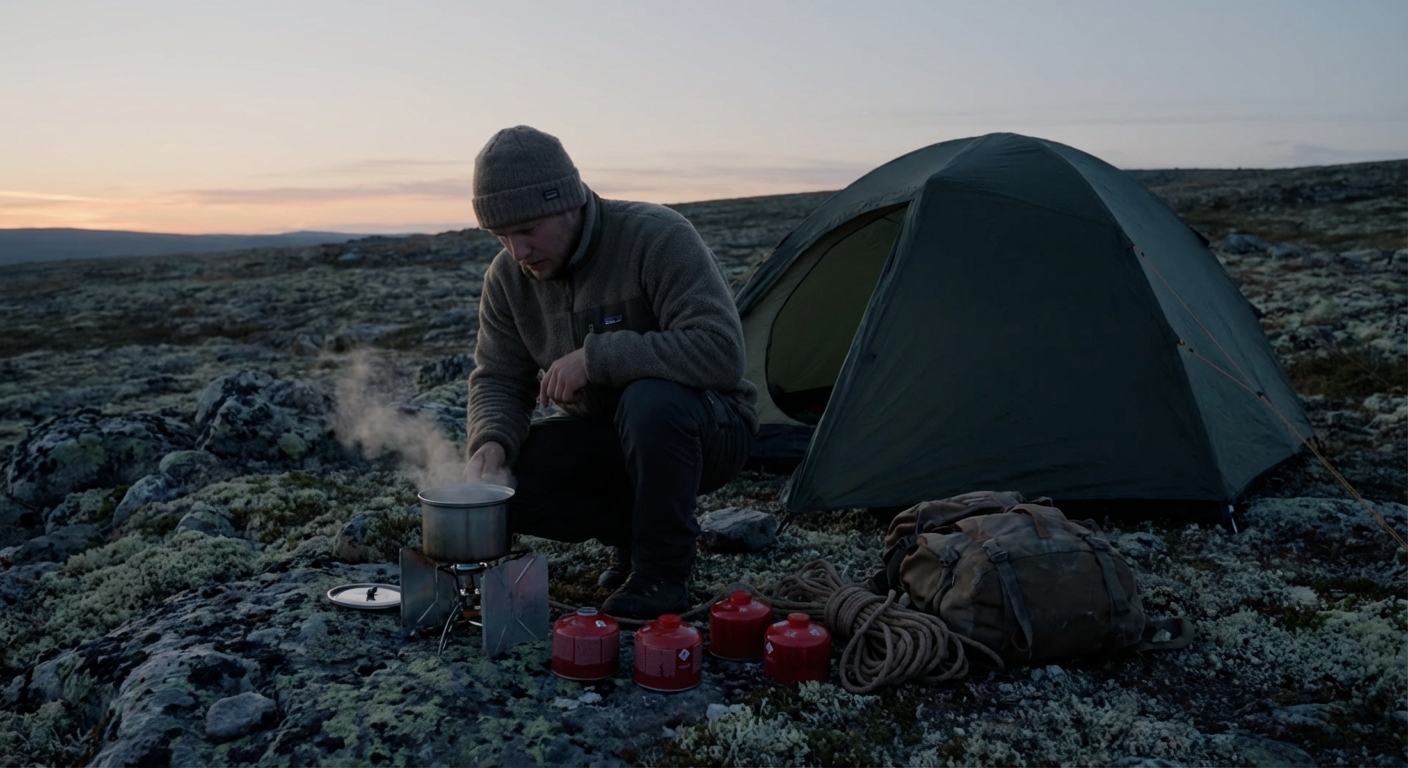
If your stove fails, your fuel runs out, or your pot folds in half at the first hard freeze, dinner is over. In the backcountry, cooking isn’t about Instagram meals. It’s about a reliable system that turns cold food and raw water into safe calories with minimal fuss.
Backcountry Cooking That Actually Works
This guide breaks down field‑tested stove types, pot choices, and fuel strategies for everyone from weekend hikers to thru‑hikers grinding out 25‑mile days.
Step 1: Define Your Cooking Style
Before buying gear, decide how you actually eat on trail:
Boil‑Only Cook
- Meals: ramen, instant potatoes, freezer bag meals, pre‑cooked rice, dehydrated dinners. - Needs: fast boil, simple stove, one pot or mug. - Best for: ultralighters, thru‑hikers, guides.
Simmer & Real Food Cook
- Meals: pasta, rice, lentils, skillet meals, pancakes. - Needs: better flame control, slightly larger pot, possibly frying pan or wider pot. - Best for: weekend trips, basecamps, shorter mileage.
Cold‑Soaker
- Meals: cold‑soak oats, ramen, couscous, protein shakes, tortillas, nut butters. - Needs: no stove, only a durable container and a solid food plan. - Best for: hardcore weight‑cutters, predictable warm climates.
Pick the category you’re most likely to follow 80% of the time and build around that.
Step 2: Choose a Stove System
1. Canister Stoves (Most Hikers)
Pros: Fast, easy, widely available fuel.
Cons: Fuel canisters are bulky, don’t show remaining fuel accurately, limited performance in deep cold.
Good for: Most 3‑season hiking.
Weight range: 2–14 oz (stove only).
Price range: $20–$200.
Types:
- Upright canister stoves (Pocket‑Rocket style)
- Example budget: BRS‑3000T (super light, ~1 oz, but finicky and fragile).
- Mid‑range: MSR PocketRocket 2, Soto Amicus.
- Premium: Soto WindMaster (excellent in wind).
- Integrated canister systems (Jetboil style)
- Example: Jetboil Flash, MSR WindBurner.
- Pros: Ridiculously fast boil, built‑in pot, fuel efficient, good in wind.
- Cons: Heavier, more expensive, less flexible for real cooking.
Field Tip: For thru‑hikes, an upright canister stove + 750–900 ml titanium pot hits the best balance of weight, flexibility, and durability.
2. Alcohol Stoves (Ultralight & DIY)
Pros: Super light, cheap, silent, fuel easy to find (denatured alcohol, HEET).
Cons: Slower boils, poor in wind, open flame, not great below freezing.
Weight: 0.3–1 oz for a basic stove.
Price: $5 DIY – $40.
Good for: Ultralight hikers who mostly just boil water in 3‑season conditions.
Examples:
- Budget/DIY: Cat‑can stove + aluminum foil windscreen.
- Mid‑range: Zelph or Toaks alcohol stoves.
Field Tip: Always use a tight windscreen and a wide, stable base. Alcohol plus wind equals wasted fuel and lukewarm meals.
3. Liquid Fuel Stoves (Cold, High, and Group Trips)
Pros: Reliable in very cold temps, great for melting snow, easy to share fuel, strong flame.
Cons: Heavy, noisier, needs maintenance and practice.
Weight: 10–16 oz (stove without bottle).
Price: $80–$200.
Good for: Winter camping, mountaineering, long remote trips.
Examples:
- Classic: MSR WhisperLite series.
- Rugged workhorse: MSR XGK EX.
Field Tip: Learn to clean and maintain the stove at home. Don’t make your first learning session at 11 p.m. in a blizzard.
4. Solid Fuel & Wood Stoves (Niche)
Solid fuel (Esbit):
- Ultra‑simple, light, but smells bad and leaves residue.
- Decent backup system.
- No need to carry fuel where wood is plentiful.
- Sooty, slower, depends on dry fuel and local regulations.
- Best as an add‑on, not a primary system for serious miles.
Wood stoves:
Step 3: Pick the Right Pot (Your Real Workhorse)
You can cook on a rock if you have to, but it’s rough. Your pot matters.
Materials
Titanium
- Pros: Lightest, durable, doesn’t dent easily. - Cons: Hot spots, poor for simmering; expensive.
Aluminum (Hard‑Anodized)
- Pros: Best heat distribution, cheaper than titanium, great for real cooking. - Cons: Slightly heavier; non‑anodized can dent more easily.
Stainless Steel
- Pros: Bombproof, great for group use, cheap. - Cons: Heavy, slower to heat.
Sizes
- Solo boil‑only: 550–750 ml.
- Solo real meals / big appetites: 800–900 ml.
- Two hikers (boil‑only): 900–1100 ml.
- Two hikers (real cooking): 1.3–1.6 L.
Field‑Tested Options
- Budget:
- TOAKS 750 ml titanium (mid‑price, light).
- GSI Outdoors Halulite pot (aluminum, solid budget choice).
- Mid‑Range:
- Evernew Ti 900 ml (great for thru‑hikes).
- Snow Peak Trek 900.
- Durability Tank:
- MSR Alpine Stowaway (stainless, heavy but nearly indestructible).
Field Tip: Avoid pots with complex non‑stick coatings unless you’re gentle and mostly base‑camping. Coatings fail fast when stacked with metal gear and handled cold‑and‑tired.
Step 4: Fuel Planning That Won’t Leave You Hungry
Basic Planning Numbers (3‑Season, Boil‑Only)
- Canister fuel: ~6–10 g per 500 ml boil in mild conditions with some wind protection.
- Daily average: 20–30 g/day for two hot meals + drinks.
- ~20 g × 7 = 140 g. A 230 g canister is plenty with margin.
- 0.6–0.8 oz (18–24 ml) per boil in mild conditions.
- Plan 1.5–2 oz (45–60 ml) per day for two boils.
For a week‑long solo trip at 2 boils per day:
For alcohol:
Cold & Wind: Add 30–50% fuel if you expect sub‑freezing temps or constant wind.
Step 5: Durability vs. Weight: Where to Cut and Where Not To
Cut weight aggressively on:
- Spoon: A plastic long‑handle spoon or titanium spork is enough.
- Mug: Many thru‑hikers skip a separate mug; drink from the pot.
- Extras: Ditch complex kitchen sets. One pot, one spoon, one lighter, one backup fire source.
Don’t cut corners on:
- Stove reliability: A cheap, unreliable stove that fails halfway through a long hike costs more in misery than you saved in cash.
- Wind protection: Windscreens (where safe/legal with your stove type) save fuel and frustration.
- Ignition: Carry at least two ways to light your stove—Bic lighter + ferro rod or storm matches.
Care & Maintenance in the Field
- Keep threads clean: For canister stoves, wipe dust and grit off threads before attaching the canister. Grit wears seals and can cause leaks.
- Check O‑rings: Inspect canister stove O‑rings periodically. Little cracks lead to big problems.
- Protect pot shape: Don’t sit or stand on your pot. A crushed titanium pot won’t seal a lid or nest your stove properly.
- Soot control: Store sooty pots in a dedicated bag or plastic sack so your entire pack doesn’t turn black.
At home:
- Dry everything fully before storage.
- Lightly oil moving parts on liquid fuel stoves.
- Store canister stoves loosely in a sack, not clamped in a stuffed pot where legs and arms bend.
Simple, Reliable Meal Strategy Examples
Weekend Hiker (Comfort Leaning)
- Stove: PocketRocket 2 + 1 L aluminum pot.
- Fuel: 100 g canister.
- Meals:
- Night 1: pre‑cooked rice + foil pouch chicken + curry sauce.
- Breakfasts: oats + instant coffee.
- Night 2: ramen + dehydrated veggies + peanut butter swirl.
Thru‑Hiker (Efficiency First)
- Stove: Soto WindMaster or BRS‑3000T (if experienced and careful).
- Pot: 750–850 ml titanium.
- Fuel: 230 g canister every 7–10 days.
- Meals: Mostly boil‑only; rotate between ramen, instant potatoes, couscous, and mailing yourself higher‑calorie dehydrated meals.
Bottom Line
The best backcountry cooking system isn’t the lightest on a spreadsheet or the flashiest on social media. It’s the one you can fire up in the dark, in wind, half‑frozen, and dead tired—without thinking.
Pick a stove that matches your style, a pot that won’t fail, and a fuel plan you can trust. Keep it simple, take care of your gear, and your cooking system will quietly do its job for thousands of trail miles.