
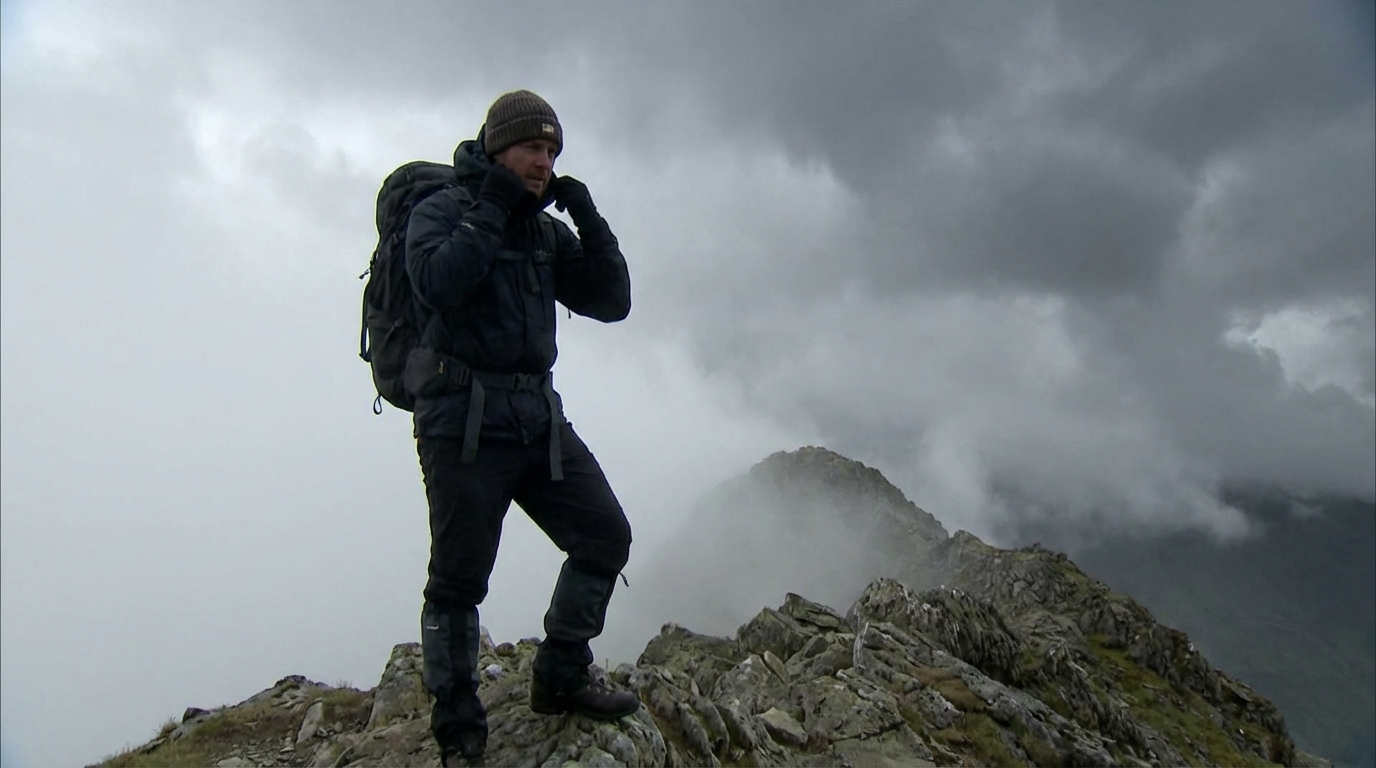
Mountain weather doesn’t care how nice your jacket looks. Storms roll in. Temperatures drop 20°F in an hour. Wind hits a ridge and tears through your sweat-soaked shirt like it isn’t there.
Why a Checklist Beats Guesswork
Guess wrong on apparel and you end up shivering in a wet hoodie, or hauling three extra pounds of "just in case" gear you never use.
This checklist walks you head-to-toe through a proven, practical clothing kit—what to bring, what to skip, and what actually earns its weight.
1. Head and Neck: Small Items, Big Comfort
Hat: Sun and Cold
Sun Hat
- Wide brim or cap with neck cape.
- Lightweight nylon or polyester.
- Crushable so it packs away.
Cold Hat / Beanie
- Thin synthetic or merino.
- Weight: 1–2 oz (28–57 g).
Field-tested picks:
- Budget: Any running cap + cheap fleece beanie.
- Mid-range: Buff Pack Run Cap + merino beanie.
Neck: Buff vs. Scarf
A simple Buff or neck gaiter does a lot:
- Blocks sun, wind, and dust.
- Adds a surprising bit of warmth at night.
- Weight: ~1–1.5 oz (28–43 g).
This is low-weight, high-utility gear. Worth packing.
2. Torso: The Engine Room
Base Layer Top
Non-negotiable: no cotton.
Choose one:
- Hot/dry conditions: Lightweight synthetic tee or long sleeve.
- Cool/wet conditions: Lightweight merino or long-sleeve synthetic.
Specs
- Weight: 3–7 oz (85–200 g).
- Fit: Close but not cling-wrapped.
Midlayer
This is your go-to for early starts, cloudy days, and light wind.
Fleece Hoodie (Recommended)
- Breathes well, insulates when damp.
- Easy to vent with a zipper.
- Hood adds real warmth with little weight.
Weight: 9–14 oz (255–397 g), depending on thickness.
Active Insulation (Optional Upgrade)
- Warmer than thin fleece, less clammy than a full puffy.
- Examples: Patagonia Nano-Air, Rab Xenair.
More expensive, most useful in cold-active conditions.
Insulation Jacket (Puffy)
This is for breaks, camp, and emergencies.
- Down for dry, cold climates: High warmth-to-weight.
- Synthetic for wet, unpredictable climates: More forgiving if damp.
Weight targets
- 7–10 oz (198–283 g): Mild 3-season.
- 10–16 oz (283–454 g): Shoulder-season and colder.
Field-tested examples
- Budget synthetic: REI 650 synthetic puffy.
- Mid-range down: REI Magma, Rab Microlight, MH Ghost Whisperer/2.
3. Shell Layers: Wind and Water Management
Wind Jacket (Optional but Recommended)
A thin wind shirt often gets more use than your rain shell.
Why carry it:
- Blocks wind on ridges and descents.
- Adds just enough warmth for moving breaks.
- Packs down to fist-size.
Weight: 2–4 oz (57–113 g).
Good picks: Patagonia Houdini, Rab Vital, Montbell Tachyon.
Rain Jacket (Mandatory in the Mountains)
Mountain weather = bring a real shell, not a fashion raincoat.
Bare minimum features
- Adjustable hood with brim.
- Water-resistant front zip.
- Hem and cuff adjustment.
- Fabric rated waterproof/breathable (2.5L or 3L).
Nice-to-have
- Pit zips or chest vents.
- Chest pockets above hipbelt level.
Weight classes
- 6–10 oz (170–283 g): Ultralight shells.
- 10–16 oz (283–454 g): More durable 3L.
Budget tier (~$60–120)
- Frogg Toggs (very light, fragile).
- Marmot PreCip, REI Rainier.
Mid-tier (~$150–250)
- Outdoor Research Helium/Foray.
- Rab Downpour or Kinetic.
Premium (~$250–450)
- Arc’teryx Beta line, Rab Latok.
- Expensive but proven for repeated abuse.
4. Hands: Don’t Ignore the Small Stuff
Cold, wet hands make simple tasks miserable.
Glove System
- Liner gloves: Thin synthetic or merino.
- Weight: 1–2 oz (28–57 g).
- Use: Cool mornings, light wind.
- Shell mitts or gloves (optional in milder climates):
- Waterproof or windproof outer.
- Weight: 2–4 oz (57–113 g).
Budget hack: Thin work gloves for brushy terrain.
5. Legs: Pants, Shorts, and Optional Extras
Shorts vs. Pants
Shorts
- Best for hot temps and clear trails.
- Running or hiking shorts with built-in liner.
Pants
- Best for cooler temps, sun protection, and brush.
- Look for quick-dry stretch nylon, not heavy cotton.
Convertible pants can work, but zippers add weight and can rub.
Pants Weight and Durability
- UL/Light pants: 5–9 oz (142–255 g).
- Pros: Great for long miles.
- Cons: Easier to tear on rough rock.
- Standard hiking pants: 10–16 oz (283–454 g).
- Pros: Durable, good all-around choice.
Field-tested mid-range:
- Prana Stretch Zion/Brion.
- Kuhl Renegade.
- OR Ferrosi.
Long Underwear (Optional)
If temps might drop near freezing, pack a light bottom base layer.
- Fabric: Merino or synthetic.
- Weight: 4–7 oz (113–198 g).
Sleep in them and wear them under pants on frigid mornings.
Gaiters (Situational)
- Trail gaiters (short, stretchy): Keep rocks out of trail runners.
- Full gaiters: Snow, mud, dense brush.
If you don’t regularly hike off-trail or in snow, you likely don’t need full gaiters.
6. Feet: Where Comfort and Failure Start
Socks
- Material: Merino wool blend is the gold standard.
- Cushion: Light to mid for trail shoes, mid to heavy for boots.
Field-tested brands
- Darn Tough (lifetime warranty).
- Smartwool, FITS.
Carry:
- Weekend trips: 2 pairs.
- Long trips: 3 pairs (rotate, wash one when you can).
Camp Shoes (Optional Luxury)
- Ultralight sandals or foam clogs: 4–10 oz (113–283 g) total.
- Useful on wet trips or where feet need a break from wet shoes.
Not essential, but very welcome on longer routes.
7. Packing Strategy: What You Wear vs. What You Carry
When planning, separate these two lists:
Worn While Hiking
- Base layer top
- Hiking pants/shorts
- Underwear
- Socks
- Sun hat
Carried in Pack (for most 3-season mountain trips)
- Fleece hoodie
- Insulation jacket (puffy)
- Rain shell
- Wind shirt (optional but recommended)
- Beanie
- Light gloves
- Extra socks
- Long underwear bottoms (if temps demand)
If your pack is full of "Just In Case" clothes that never see daylight, you’re carrying too much. Track what you actually use over a few trips and adjust.
Care and Maintenance: Keep It Trail-Ready
After Every Trip
- Unpack everything fully—don’t store damp.
- Air dry gear for a full day before stuffing away.
- Spot-clean mud on pants and shells.
Washing Schedule
- Base layers, socks, underwear: Every trip. They hold salt and funk.
- Fleece and midlayers: Every few trips or when smelly.
- Shells: Only when dirty or losing water beading.
Use mild detergents and skip fabric softener—it clogs technical fabrics.
Field Repairs
Pack a minimalist repair kit:
- Gear Aid/Tenacious Tape patches.
- A few safety pins.
- Needle + strong thread or dental floss.
- Duct tape wrapped around a trekking pole.
A 2-inch tear in pants or a sleeve can be handled in 5 minutes at camp.
Quick 3-Season Checklist (Copy This Before Your Next Trip)
Head/Neck
- [ ] Sun hat or cap
- [ ] Beanie (synthetic or merino)
- [ ] Buff/neck gaiter
Torso
- [ ] Synthetic or merino base layer
- [ ] Fleece hoodie or light active midlayer
- [ ] Insulated jacket (down or synthetic)
Shells
- [ ] Wind jacket (optional but recommended)
- [ ] Waterproof-breathable rain shell
Hands
- [ ] Liner gloves
- [ ] Shell mitts (for cold/wet or shoulder seasons)
Legs
- [ ] Hiking pants or shorts
- [ ] Long underwear bottoms (if cold forecast)
- [ ] Gaiters (if snow, mud, or heavy brush)
Feet
- [ ] Merino blend socks (2–3 pairs)
- [ ] Optional camp shoes
Follow this, tweak for your local climate, and you’ll be prepared for most mountain conditions without hauling a closet on your back.