
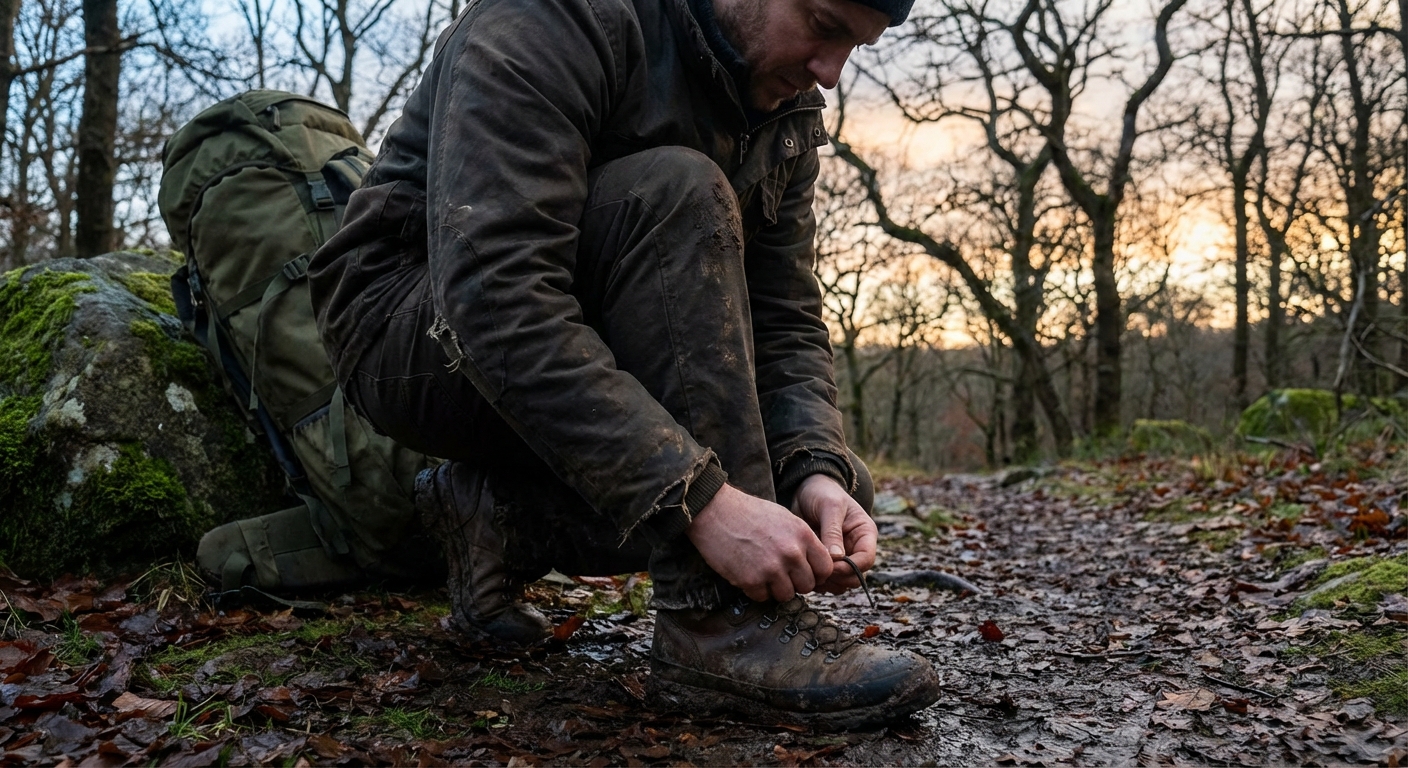
Most new hikers obsess over packs and tents, then show up in cotton, fashion sneakers, and a hoodie. On a dry, warm day that might slide. Stretch that to three wet days, high wind, and a cold night, and bad apparel turns into a real problem.
Why Trail Apparel Matters More Than Your Pack
Trail apparel isn’t about looking "outdoorsy." It’s your micro–climate. It determines whether you stay warm when wet, cool when climbing, and comfortable enough to keep moving when you’re tired, rubbed raw, and a long way from the trailhead.
This guide walks through a rugged, field-tested clothing system that works for everything from weekend hikes to long thru-hikes. No hype, just gear that holds up.
The Core System: Layering That Works in the Real World
Forget fancy marketing. You need a simple, durable system:
Base layer – Manages moisture next to skin
Midlayer – Adds insulation, keeps core warm
Outer shell – Blocks wind and precipitation
Trail pants/shorts – Protect legs, shed brush, dry fast
Socks & footwear – Foot protection and blister control
Dial these five right and you can hike in almost anything short of true expedition conditions.
Base Layers: Synthetic vs. Merino vs. Cotton (Don’t)
What Base Layers Actually Do
Base layers aren’t about raw warmth. Their main job is to move sweat away from your skin so you don’t get chilled when you stop moving.
Materials
- Merino wool
- Pros: Doesn’t stink fast, comfortable even when damp, decent temp regulation.
- Cons: More fragile, slower to dry, pricey.
- Synthetic (polyester blends)
- Pros: Dries fastest, durable, light, cheaper.
- Cons: Stinks quickly, can feel clammy.
- Cotton
- Pros: Comfortable in town.
- Cons: Holds water, dries slow, chills you. Leave it at home.
Field-Tested Picks (Base Layer Tops)
- Budget (~$25–40): Decathlon synthetic technical tees, REI Co-op Lightweight Base Layer tops.
- Weight: ~4–6 oz (113–170 g).
- Good for: Weekend warriors, sweaty hikers.
- Mid-range (~$50–80): Smartwool Merino 150, Icebreaker 150.
- Weight: ~5–7 oz (142–198 g).
- Balance of odor control and durability.
- Premium (~$80–120): Patagonia Capilene Air, Rab Merino+ blends.
- Weight: light but fragile; expect to baby them a bit.
Trade-off: Merino for smell + comfort on multi-day trips, synthetic if you want fast-dry and durability over everything.
Midlayers: Fleece vs. Lightweight Insulation
The midlayer traps warmth. You’ll wear it during breaks, cool mornings, and at camp.
Fleece: The Reliable Workhorse
- Pros: Cheap, tough, still insulates when wet, breathes well.
- Cons: Heavier and bulkier than down or synthetic puffy.
Solid Choices
- Budget fleece (~$30–60): Any grid-fleece hoodie (Decathlon, REI Co-op, Columbia).
- Weight: 10–14 oz (283–397 g).
- Use: Daily driver midlayer for most hikes.
- Lighter technical fleece (~$80–120): Patagonia R1, Outdoor Research Vigor.
- Weight: ~9–12 oz (255–340 g).
- Better breathability and fit, higher price.
Puffy Jackets: Down vs. Synthetic
Bring a puffy for real insulation—cold evenings, shoulder seasons, high passes.
- Down
- Pros: Best warmth-to-weight, packs tiny.
- Cons: Loses loft when soaked, more expensive, needs care.
- Synthetic
- Pros: Insulates better when damp, often cheaper, more abuse-tolerant.
- Cons: Heavier and bulkier for same warmth.
Field-Tested Picks
- Budget synthetic (~$80–130): REI Co-op synthetic jacket, Decathlon synthetic puffy.
- Good for: Wet climates, new backpackers.
- Mid-range down (~$150–230): Mountain Hardwear Ghost Whisperer/2, REI Magma, Rab Microlight.
- Ultralight but needs dry-ish conditions and a shell.
Shells: Your First Line of Defense
Rain Jackets: Waterproof vs. Breathable (Pick Two… Sort Of)
You’ll sweat in any rain shell when climbing hard. Aim for something that balances durability with weight.
Key Specs
- Fabric: 2.5-layer or 3-layer
- Denier: Higher = tougher but heavier
- Pit zips: Worth the grams for ventilation
Recommendations
- Budget (~$60–100): Frogg Toggs Ultralite (fragile but very light), Marmot PreCip.
- Weight: 8–13 oz (227–369 g).
- Trade-off: Cheaper fabrics, shorter lifespan.
- Mid-range (~$140–220): REI XeroDry, Outdoor Research Foray, Rab Downpour.
- Weight: 10–14 oz (283–397 g).
- Good balance for most hikers.
- Premium (~$250–400): Arc’teryx Beta, Rab Latok, Outdoor Research Motive.
- Weight: 10–16 oz (283–454 g).
- Durable 3-layer fabrics; worth it if you’re in rough terrain a lot.
Wind Shirts: The Most Underrated Layer
A 2–4 oz (57–113 g) wind jacket can replace heavier layers much of the time.
- Pros: Blocks wind, boosts warmth of thin layers, dries fast, ultra-packable.
- Example: Patagonia Houdini, Rab Vital, or any 1–2 oz nylon wind shell.
For thru-hikers, this is almost mandatory gear.
Pants, Shorts, and Gaiters: Leg Armor That Doesn’t Drag You Down
Trail Pants
Skip heavy “tactical” pants. Go for light, quick-dry, and tough enough for brush.
- Budget (~$50–80): Eddie Bauer Guide Pro, Decathlon Quechua.
- Trade-off: Slightly heavier but tough and affordable.
- Mid-range (~$90–140): Prana Stretch Zion, Kuhl Renegade.
- Good blend of stretch, durability, and weight.
- Ultralight (~$90–160): Outdoor Research Ferrosi, Arc’teryx Gamma Lightweight.
- Excellent for long miles, but treat them a bit kinder.
Look for:
- 5–9 oz fabric weight
- Some stretch
- DWR treatment
- No bulky seams at hipbelt or harness contact points
Shorts
For hot conditions, running or hiking shorts with a liner work well.
- Avoid heavy cargo shorts.
- Go for synthetic, 5–7" inseam, simple pockets.
Gaiters
Useful in snow, mud, scree, or tick-prone brush.
- Trail gaiters (light, ankle-height) for gravel and minor debris.
- Full gaiters (knee-height, waterproof) for snow and serious bushwhacking.
Socks, Underwear, and the Blister Triangle
Your feet are your motor. Protect them.
Socks
- Merino blend: Darn Tough, Smartwool, FITS.
- Pros: Cushion, smell resistance, comfort.
- Darn Tough: Lifetime warranty; they actually honor it.
- Thickness: Light to midweight for most conditions; go thicker for heavy boots.
Carry at least:
- 2–3 pairs for thru-hiking (rotate, dry one on pack).
- 2 pairs for weekend trips.
Underwear
Synthetic or merino, no cotton.
- ExOfficio, Icebreaker, Saxx, or any moisture-wicking boxer/brief.
Weight vs. Durability: Picking the Right Side of the Line
You can’t have ultralight, bombproof, and dirt cheap all at once. Choose your priority.
For Weekend Hikers
- Lean a bit more durable and cheaper.
- You’re not putting in 2,000 miles; a few extra ounces won’t matter.
Good pattern:
- Midweight synthetic base layer
- Grid-fleece midlayer
- Mid-range 2.5–3L rain jacket
- Tough softshell pants
For Thru-Hikers and Long Trips
- Weight matters more. You’ll feel every extra ounce after a month.
- Durability still counts—especially in high-abrasion zones (shoulders, hips, knees, seat).
Typical thru-hike approach:
- Ultralight synthetic or merino top (short sleeve)
- Light fleece or active insulation hoodie
- Ultralight down or synthetic puffy
- Wind shirt + lighter rain shell
- Ultralight but reasonably tough pants or shorts
Expect to replace pieces mid-hike if you go very light.
Care and Repair: Make Gear Last Years, Not Months
Washing
- Avoid fabric softeners—they wreck DWR and fibers.
- Use mild detergent, cold water, gentle cycle.
- For down and waterproof shells, use niche cleaners (Nikwax, Grangers).
Drying
- Hang dry whenever possible.
- Low heat tumble if label allows, especially for down (with clean tennis balls).
Restoring Water Repellency
- Jackets “wetting out”? Time for DWR refresh:
- Clean thoroughly.
- Use spray-on or wash-in DWR treatment.
- Light tumble dry to activate.
Field Repairs
Always carry a mini repair kit:
- Tenacious Tape or Gear Aid patches
- Needle and strong thread or dental floss
- Safety pins, a few feet of duct tape wrapped around a trekking pole
Patched pants and sleeves aren’t a fashion failure—they’re proof you actually use your gear.
Final Word: Start Simple, Upgrade Slowly
You don’t need a $1,500 wardrobe on day one. Start with:
- Non-cotton base layers
- A decent fleece
- A functional rain shell
- Quick-dry pants or shorts
- Good socks and broken-in footwear
As you hike more, your priorities will become obvious. Upgrade the pieces you use the most, not the ones that look best in photos. The trail will show you what works.