
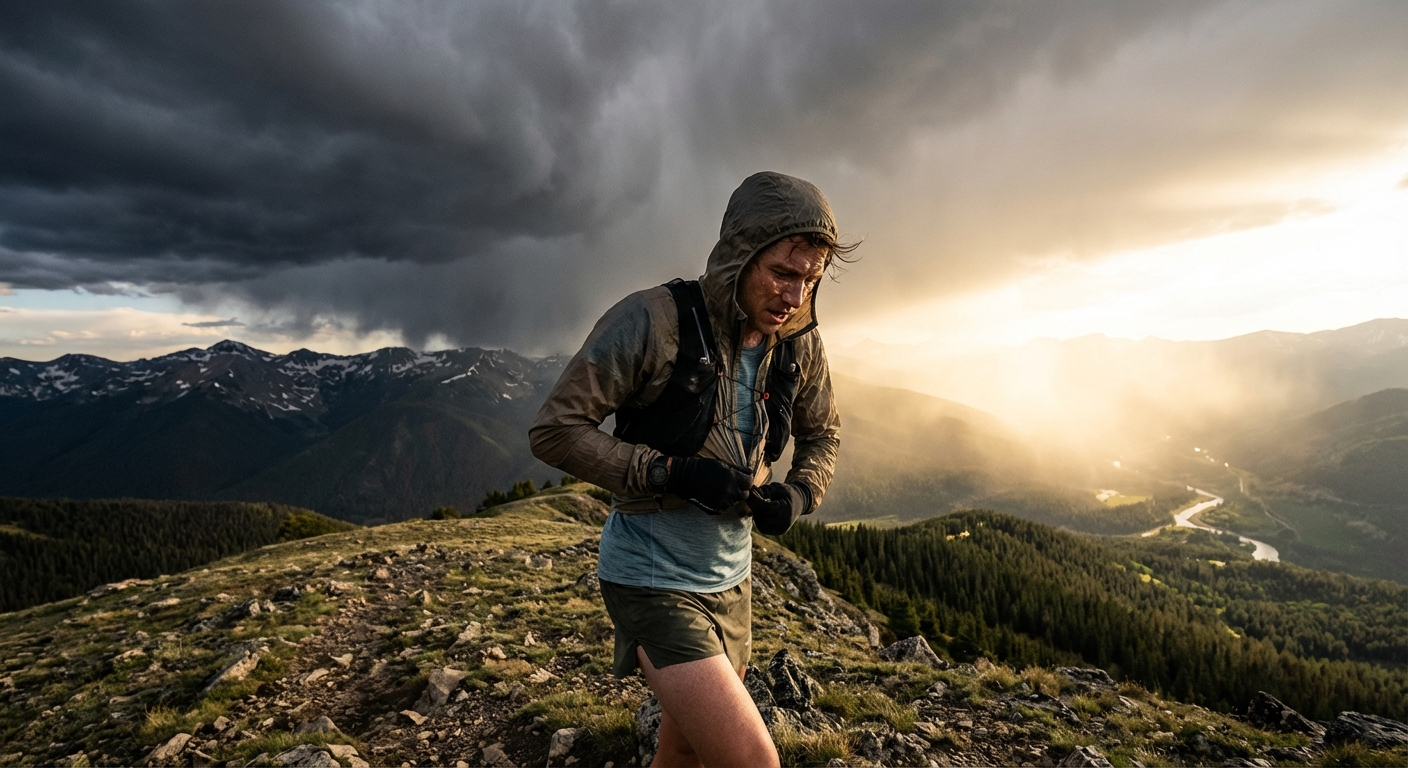
A lot of apparel talk turns into jargon: wicking this, active insulation that. Out on the trail, it’s simpler. You either have the right layers for the weather and your effort level, or you don’t.
Layering Isn’t Complicated—Until You’re Soaked and Shivering
This guide cuts out the buzzwords and walks through how to layer for three real scenarios: hot climbs, cold/wet slogs, and shoulder-season uncertainty. You’ll get field-tested combos, weight ranges, and a few reliable gear names—not brand worship, just what works.
The Core Principle: Hike Cool, Rest Warm
Most new hikers dress for standing around in the parking lot. Ten minutes into a climb, they’re sweating through everything. An hour later, a breeze hits and all that moisture turns into a chilling layer.
The rule that experienced hikers live by:
Dress so you’re slightly cool when you start moving.
If you’re perfectly warm standing still, you’re going to overheat under load.
Your layering system needs to support this:
- Fast vapor movement away from skin.
- Adjustable insulation so you can dump heat on climbs.
- True weather protection for when conditions turn.
Layer Roles (Practical, Not Marketing Version)
- Base Layer – Manages sweat. Should dry fast and not cling painfully.
- Active Layer – What you actually hike in, often base + light fleece or wind shirt.
- Static Insulation – For when you’re not moving: breaks, camp, and emergencies.
- Shell Layer – Blocks wind and precip. Not for warmth alone.
Figure out what each piece is for, and you’ll stop asking one layer to do four jobs.
Scenario 1: Hot, Exposed, and Sweaty
Think desert sections, low-elevation summer hikes, and vigorous climbs on open slopes.
Priorities
- Sun protection
- Maximum breathability
- Quick-dry fabrics
Recommended System
Base/Active Top
- Option A: Lightweight synthetic tee
- Super breathable, dries fast.
- Will stink faster but handles sweat best.
- Option B: Sun hoodie
- UPF-rated lightweight synthetic or merino blend.
- Long sleeves + hood = less sunscreen and less dehydration.
Lower Body
- Running shorts or light hiking shorts.
- If you burn easily, loose, light pants are better.
Shells
- Wind shirt: for breezy ridges or descents.
- Rain shell: stays in pack unless storm hits.
Real-World Picks
- Budget: Decathlon sun hoodie, generic synthetic tee, basic running shorts.
- Mid-range: Outdoor Research Echo hoodie, Patagonia Capilene Cool shirts.
Weight Snapshot
- Top (tee or sun hoodie): 3–6 oz (85–170 g)
- Shorts: 3–5 oz (85–142 g)
- Wind shirt: 2–3 oz (57–85 g)
Key Lesson: Light, breathable gear beats heavy technical pieces in pure heat.
Scenario 2: Cold, Wet, and Relentless
You’re climbing in steady rain or sleet, with temps in the 30–50°F (0–10°C) range. This is where bad layering becomes dangerous.
Priorities
- Stay just warm enough while hiking.
- Avoid soaking insulation with sweat.
- Keep a truly dry layer for stops.
Recommended System
Base Layer
- Long-sleeve synthetic or merino top (150–200 weight).
- No heavy thermal base unless you’re moving slowly.
Active Midlayer
- Thin grid-fleece or light fleece pullover.
- Breathes much better than wearing your puffy.
Shell
- Fully waterproof-breathable jacket with pit zips if possible.
- If it’s just wind-driven mist, a wind shirt can be enough while you’re climbing.
Static Insulation (Dry Only)
- Down or synthetic puffy in a dry bag or liner.
- Put it on only when you stop or at camp.
- Never hike hard in your puffy—you’ll sweat it out.
Lower Body
- Synthetic hiking pants.
- Long underwear bottoms if you chill easily.
- Rain pants if there’s prolonged, cold rain.
Example Kits
Budget Wet-Weather Setup
- Synthetic long-sleeve base (Decathlon/REI).
- Basic grid-fleece hoodie.
- REI Rainier or Marmot PreCip shell.
- Cheap synthetic puffy (REI, Decathlon).
- Nylon hiking pants + budget rain pants (optional).
Mid-Range Wet-Weather Setup
- Merino 150 base.
- Technical grid-fleece (R1-style).
- OR Foray or Rab Downpour jacket.
- Midweight synthetic puffy (Nano Puff or equivalent).
- Stretch hiking pants + light rain pants.
Weight Snapshot (Carried, Not Worn)
- Fleece: 10–12 oz (283–340 g).
- Puffy: 10–14 oz (283–397 g).
- Shell: 10–16 oz (283–454 g).
This sounds heavy until you’re in 36°F rain at 4 pm on day three—then it feels just right.
Scenario 3: Shoulder Season Roulette
This is early spring and late fall, or any mountain trip where the forecast can’t decide. Sun, wind, graupel, maybe a dusting of snow.
Priorities
- Flexibility over specialization.
- Layers that play together without redundancy.
- Reasonable warmth at camp without extra pieces.
Recommended System
Base Layer
- Short-sleeve or long-sleeve synthetic or merino, depending on your cold tolerance.
Active Midlayer
- Lightweight fleece or active insulation piece.
- This is often your all-day hiking layer over the base.
Wind Shirt
- Extremely useful: toss it on over a base or base + fleece when chilly.
- Often delays the need for a full shell.
Insulation Jacket
- 800-fill down or a solid synthetic, sized to fit over base + mid.
- Enough warmth that you’re comfortable at camp in near-freezing temps.
Shell
- 2.5 or 3-layer waterproof-breathable jacket.
- Doesn’t have to be a beefy alpine shell, but avoid paper-thin emergency-only jackets.
Lower Body
- Softshell or slightly heavier hiking pants.
- Long underwear bottoms if overnight lows drop below freezing.
Real-World Example (Balanced Weight and Durability)
- Top: Merino 150 long sleeve.
- Mid: Grid-fleece hoodie.
- Wind: 3 oz wind shirt.
- Insulation: 10 oz down jacket.
- Shell: 12 oz 3L rain jacket.
- Bottoms: Softshell pants + 6 oz base layer bottoms.
You’ll tweak as you gain experience, but this baseline works in most 3-season mountain ranges.
Common Layering Mistakes (And How to Fix Them)
1. Hiking in Your Puffy
- Problem: You sweat it out, then it’s useless when you actually need it.
- Fix: Use fleece or a wind shirt while moving; keep the puffy dry for breaks and camp.
2. Overpacking Tops
- Problem: Carrying three midlayers and using one.
- Fix: For most 3-season trips, you need:
- 1 base layer
- 1 midlayer (fleece or active insulation)
- 1 insulation jacket
- 1 shell
3. Trusting Fashion Rain Jackets
- Problem: Water-resistant coatings that wet through in the first real storm.
- Fix: Buy from actual outdoor brands with tested fabrics and seams.
4. Cotton Anywhere on Your Core
- Problem: Soaks, stays wet, chills you.
- Fix: Reserve cotton for sleep clothes at most, and only on reliably dry trips.
Care Tips to Keep Layers Working
Base and Midlayers
- Wash with mild detergent.
- Avoid fabric softeners—they limit wicking.
- Hang dry or tumble low.
Down Jackets
- Use down-specific cleaner.
- Wash on gentle cycle; tumble dry low with clean tennis balls.
- Store fully lofted, never compressed long-term.
Rain and Wind Shells
- Rinse occasionally to remove salts and dirt.
- Use technical wash (Nikwax/Grangers) when dirty.
- Reapply DWR when water stops beading.
Field Repairs
- Tiny tears in shells or puffies: Tenacious Tape or Gear Aid patches.
- Loose seams: Needle + strong thread at camp.
A little care can double the life of your pricier layers.
Example 3-Season Layering Kit (One Setup That Just Works)
Use this as a starting template:
- Base: 150-weight merino or light synthetic long-sleeve (5–7 oz).
- Mid: Grid-fleece hoodie (10–12 oz).
- Wind: UL wind shirt (2–3 oz).
- Insulation: 10–12 oz down or synthetic jacket.
- Shell: 10–14 oz 2.5–3L rain jacket.
- Bottoms: Stretch hiking pants + optional light base bottoms.
From there, adjust heavier or lighter depending on where you hike and how much you feel the cold.
Dial this in over a few trips, and you’ll stop thinking about clothes and start paying attention to the trail, where you belong.