
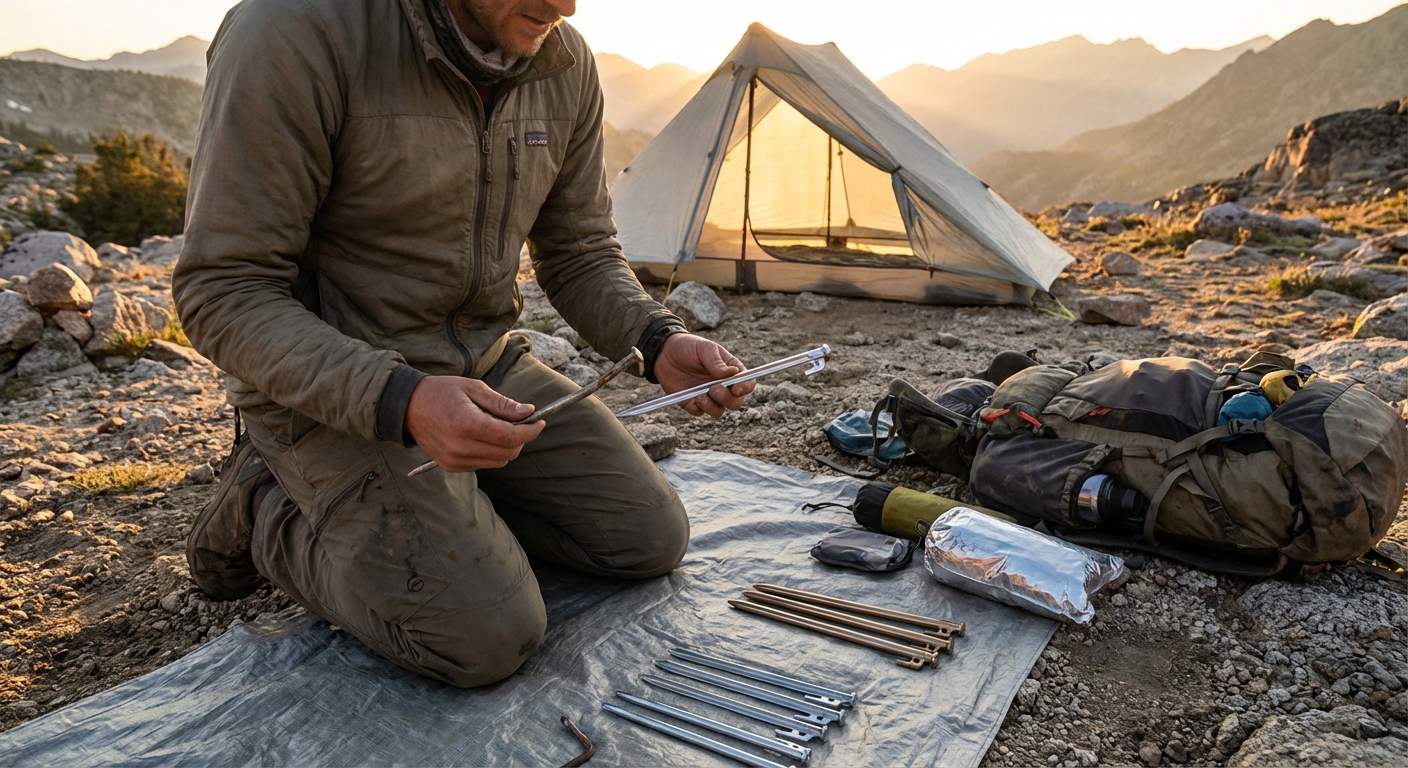
Shaving shelter weight is smart. Shaving it until your tent fails on night three of a week-long trip is not. The trick is finding that line where weight, durability, and cost actually balance for the way you hike.
Stop Chasing the Lightest Number
This guide breaks tents and shelters into practical weight classes—and then gives real, field-tested recommendations in budget, midrange, and premium tiers.
Understanding Shelter Weight Classes
We’ll focus on solo or compact 2-person shelters, since that’s what most backpackers carry.
Heavyweight: 4.5–6 lb (2–2.7 kg)
- Typical of entry-level and budget tents.
- Thick fabrics and robust floors.
- Best for new hikers, car-to-camp trips, or short distances.
Midweight: 3–4.5 lb (1.4–2 kg)
- Sweet spot for most backpackers.
- Durable enough, but not bricks.
- Freestanding or semi-freestanding designs dominate here.
Ultralight: 1–3 lb (450 g–1.4 kg)
- For thru-hikers and long-distance backpackers.
- Trekking-pole shelters, minimalist poles, and thin fabrics.
- Demands better care and pitch skills.
Heavyweight Category: Durable Workhorses
You’re carrying more, but you can also get away with more mistakes.
Budget (Under $200)
REI Co-op Passage 2
- Weight: ~5 lb 5 oz / 2.4 kg
- Price: ~ $179
- Why it works: Simple pole structure, durable 75D floor, honest 3-season performance.
- Weight: Often around 5.5–6 lb / 2.5–2.7 kg
- Price: $100–$150
- Why it works: Heavier, bulkier, but fine for short approaches and mild conditions.
Coleman Darwin or Skydome 2 (Backpacking versions)
Midrange ($200–$300)
Marmot Tungsten 2P
- Weight: ~5 lb 4 oz / 2.4 kg
- Price: ~$199–$229
- Why it works: Bigger interior, tougher fabrics than many lighter tents; forgiving and reliable.
- Weight: ~4 lb 8 oz / 2.04 kg
- Price: ~$189
- Why it works: Simple setup, weatherworthy enough, durable at a friendly price.
- Short trips where comfort and durability matter more than weight.
- Hikers still dialing in skills who don’t want to baby every seam and panel.
Kelty Late Start 2
Who this class is for:
Midweight Category: The Everyday Backpacker’s Zone
Most regular hikers will be happiest here: sane weights without the fragility tax.
Budget-Minded Midweight ($220–$320)
REI Co-op Half Dome SL 2+
- Weight: ~4 lb / 1.8 kg
- Price: ~$329 (often on sale)
- Why it works: Great interior space, decent weight, good features, solid durability.
- Weight: ~4 lb / 1.8 kg
- Price: ~$250
- Why it works: Entry-level BA design, more robust than UL lines, still relatively light.
Big Agnes C Bar 2
Solid Midrange ($300–$450)
MSR Elixir 2
- Weight: ~4 lb 6 oz / 2 kg
- Price: ~$299
- Why it works: Heavier than MSR’s UL line, but tougher and storm-ready.
- Weight: ~4 lb 2 oz / 1.87 kg
- Price: ~$499 (often discounted)
- Why it works: Excellent interior room, improved fabric with better water resistance and less stretch.
NEMO Dagger OSMO 2P
Premium Midweight ($450+)
MSR Hubba Hubba 2
- Weight: ~3 lb 4 oz / 1.47 kg
- Price: ~$549
- Why it works: Time-tested design tuned over years; good storm performance if pitched right.
- Weight: ~3 lb 12 oz / 1.7 kg
- Price: ~$895
- Why it works: Hilleberg’s lighter Red Label line; serious weather tolerance at a still-manageable weight.
- Section hikers, regular weekend backpackers, and those doing up to a couple of weeks on trail.
- People who want one tent to cover a wide range of trips.
Hilleberg Anjan 2
Who this class is for:
Ultralight Category: Miles First, Comfort and Durability Second
Now you’re trading money and lifespan for lower pack weight.
Entry-Level UL ($250–$350)
Six Moon Designs Lunar Solo
- Weight: ~26 oz / 737 g
- Price: ~$260
- Why it works: A true UL trekking-pole tent that doesn’t torch your wallet.
- Weight: ~28–36 oz / 790–1020 g
- Price: ~$240–$300
- Why it works: Clever geometry punched far above its weight in storms during field use.
Durston X-Mid 1 or 2 (Silpoly)
Mainline UL ($350–$550)
Big Agnes Tiger Wall UL2
- Weight: ~2 lb 8 oz / 1.13 kg
- Price: ~$449
- Why it works: Freestanding-ish comfort with UL weight; great for long trails if treated gently.
- Weight: ~2 lb 8 oz / 1.14 kg
- Price: ~$449
- Why it works: Light, minimal, adequate space for one plus gear, tight for two.
NEMO Hornet OSMO 2P
DCF (Dyneema) Premium UL ($600+)
Zpacks Duplex
- Weight: ~18.5 oz / 525 g
- Price: ~$699
- Why it works: Legendary on long trails; fully enclosed, excellent for wet climates once you learn to manage condensation.
- Weight: ~28–32 oz / 790–900 g (config dependent)
- Price: $700+
- Why it works: Modular DCF system with serious weather chops if pitched low.
- Long-distance hikers, experienced backpackers who understand pitch, site selection, and gear care.
- Anyone willing to trade some comfort and robustness for speed and lower fatigue.
Hyperlite Mountain Gear Echo II (Tarp + Insert)
Who this class is for:
Durability: Where to Draw Your Personal Line
Fabric Denier as a Reality Check
- 10D–15D: UL territory. Demands a groundsheet and careful site selection.
- 20D–30D: Good balance. Enough to handle typical backcountry abuse with basic care.
- 40D+: Burly. Heavier but shrugs off sloppy campsite choices.
Field Rule: If you regularly camp on gravel bars, desert crust, or above treeline, don’t go below 20D for floors unless you’re committed to using a solid groundsheet.
Price vs. Performance: What You Actually Get as You Spend More
Jump from $150 → $300
- Big step up in pole quality, zipper reliability, and design refinement.
- Better storm worthiness and more efficient interior space.
Jump from $300 → $500
- You mostly buy less weight and some nicer touches (better venting, smarter pockets, smoother zippers).
- Fabrics often get thinner; longevity may go down if abused.
Jump from $500 → $800+
- You’re paying for specialized materials (DCF), serious storm rating, or both.
- Diminishing returns unless you’re doing very long or very exposed trips.
Care Tips to Protect Your Investment, Whatever You Spend
In the Field
- Groundsheet smartly: Polycro or Tyvek under 20D floors; skip heavy footprints unless you’re car camping.
- Take 60 extra seconds on site selection: Save hours of drying and repairing later.
- No shoes inside: Grit is what chews up delicate fabrics and zippers.
At Home
- Always dry completely before storage; mildew + coatings = early death.
- Store in a large, breathable sack; avoid long-term compression.
- Every season, inspect for seam wear, flaking coatings, and zipper issues.
Simple Upkeep Products
- Seam sealer (silicone or PU-specific depending on your tent)
- DWR spray for fly refresh
- Tenacious Tape or Gear Aid repair patches
How to Choose Your Weight Class
Ask yourself:
Trip Length
- 1–3 nights: Midweight or even heavyweight is fine. - 4–10 nights: Midweight or UL starts to make a difference. - Weeks to months: UL becomes very attractive.
Miles Per Day
- <10 mi / 16 km: Weight matters less. - 10–20 mi / 16–32 km: Midweight sweet spot. - 20+ mi / 32+ km: UL pays dividends in joint and muscle fatigue.
Abuse Level
- If you’re rough on gear or camp on bad surfaces: stay midweight or heavy. - If you baby your kit: UL can last surprisingly long.
Bottom Line
You don’t need the lightest tent. You need one light enough that you’ll actually carry it, and tough enough that you trust it when the sky goes sideways.
Pick your weight class honestly, buy the best design you can afford in that band, and then treat it like the piece of life-support equipment it is—not a disposable toy.