
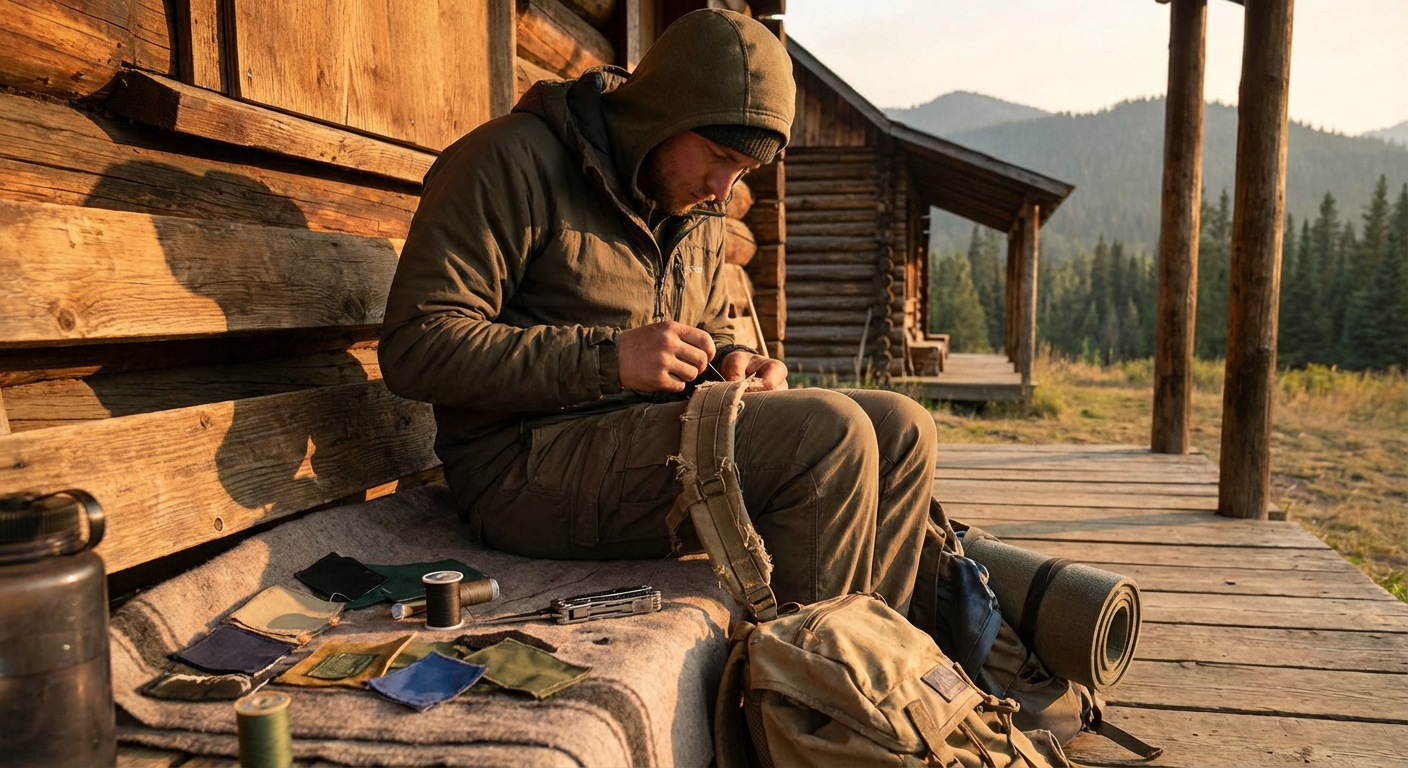
Backpacks don’t die of old age. They die from the same handful of mistakes: overloading, dragging, poor storage, and ignoring small damage.
Your Pack Will Fail Where You Abuse It Most
If you want a pack to survive seasons of hard use—weekend bushwhacks, long trails, sketchy bus roofs—you need to treat it like critical equipment, not luggage.
This guide covers rugged, practical care and repair for hiking and backpacking packs: what actually matters, what doesn’t, and how to squeeze more miles from the gear you already own.
Start with Prevention: Use the Pack Within Its Design Limits
Respect the Load Rating
Most modern packs have a recommended max load. It’s not marketing fluff.
- UL packs: often happiest under 25–30 lb.
- Midweight workhorses: often comfortable to 35–40 lb.
- Heavy haulers: can do 45–60 lb but at a cost to your body.
Regularly exceeding that range stretches fabrics, warps frames, and tears stitching. If your trips consistently exceed your pack’s sweet spot, you need a different pack—not more faith.
Keep Sharp and Hard Edges Under Control
Stoves, tent stakes, crampons, and cook pots are the usual culprits.
- Use sacks or sleeves for metal gear.
- Put awkward items away from the back panel.
- Reinforce high-contact interior areas with repair tape before problems start.
Think of your pack like skin: small repeated abrasion beats it to death over time.
On-Trail Habits That Extend Pack Life
Where You Drop It Matters
The fastest way to kill a pack bottom is using it as a ground tarp on rough rock.
- On rock: place a jacket, foam pad, or even your map under the pack.
- In camp: lean it upright against a tree rather than dragging it.
How You Lift It Matters Too
- Grab the haul loop (top handle) and hip belt when lifting.
- Don’t hoist by one shoulder strap over and over; that’s how you rip anchor stitching.
Keep It Dry When You Can
Packs don’t melt in the rain, but soaked foam and fabric wear out faster.
- Use a pack liner or dry bags for critical gear.
- If the pack is drenched, let it air out whenever the sun appears.
Clean As You Go
- Brush off mud and grit instead of grinding it in.
- Dump sand and pine needles at day’s end.
Grit is sandpaper. Don’t carry it longer than you have to.
Post-Trip Care: The Routine That Most Hikers Skip
1. Empty and Inspect
Lay the pack out and pull everything out.
Check:
- Stitching at shoulder straps, hip belt, and haul loop
- Webbing where it bends through buckles
- Bottom panel for thin spots or discoloration
Catching a loose stitch now means a 10-minute fix instead of a trail-side failure later.
2. Clean Without Killing It
You don’t need fancy cleaners.
- Fill a tub or big sink with lukewarm water.
- Add a small amount of mild soap (gear wash or unscented mild dish soap).
- Use a sponge or soft brush on dirty spots.
- Rinse thoroughly.
Avoid:
- Harsh detergents
- Hot water
- Washing machines and dryers
All of those can hammer coatings, adhesives, and fabric integrity.
3. Dry Completely
- Hang the pack in a shaded, ventilated spot.
- Open all zippers and pockets.
- Let the hip belt and shoulder straps drip-dry.
Don’t dry it in blazing direct sun day after day—that long-term UV hit isn’t free.
4. Store It Like a Tool, Not Trash
- Loosen all straps so foam and webbing aren’t under tension.
- Store hanging or laid flat in a dry area.
- Don’t compress it under bins or other gear for months at a time.
Field Repairs: Fix It Well Enough to Get Home
You can fix more than you think with a few simple items.
Minimalist Repair Kit
Pack this in a small zip bag:
- Tenacious Tape or similar repair tape
- Needle and heavy thread or dental floss
- A couple of spare buckles (or field-repair buckles)
- Safety pins
- Small scissors or knife
Common Problems and Quick Fixes
1. Small Fabric Tear or Hole
- Clean and dry the area as well as possible.
- Round the corners of a tape patch.
- Apply firmly on the outside; if you can, back it with a patch on the inside too.
This "double patch" method often lasts for the life of the pack.
2. Broken Buckle
- Replace with a field-repair buckle that clips onto existing webbing.
- For hip belt failures, you can temporarily use a short length of cord with a trucker’s hitch—but replace the buckle properly ASAP.
3. Loose Stitching
- Use needle and heavy thread to lock down the failing area.
- Sew a basic box or zigzag pattern to secure.
Even ugly hand-stitching can last a surprising amount of time if reinforced with tape.
At-Home Repairs and Upgrades
Once you’re off trail, you can do more permanent work.
Reinforcing High-Wear Areas
Key spots to preemptively reinforce:
- Bottom panel
- Shoulder strap and hip belt attachment points
- Areas where trekking poles, crampons, or snowshoes contact fabric
Use:
- Heavy nylon patches or webbing sewn on with dense stitching
- Repair tape for less-structural reinforcement (like abrasion spots)
Replacing Foam and Padding
If the pack fits well but padding is crushed:
- Some hip belts and shoulder straps are modular—you can buy replacements.
- For fixed designs, crafty folks can cut and insert new foam, but it’s advanced work.
If the shell is shredded and foam is shot, you’re probably better off replacing the pack.
Swapping Out Zippers
Zippers are complex to fix, but there are two simple wins:
- New zipper pulls – Easy and solves most "jammed" zipper frustrations.
- Slider replacement – Often a worn slider, not the teeth, causes failure. A basic zipper repair kit can swap sliders out with pliers.
For blown-out teeth or torn zipper tracks, talk to a gear repair shop.
Simple Upgrades That Make a Pack Trail-Friendlier
You don’t need a new pack to get new functionality.
Add Lashing and Tie-Down Points
Use bar-tacks, webbing loops, or even light cord to:
- Attach shock cord on the front for drying wet gear.
- Create secure spots for axe loops, trekking poles, or snow tools.
Improve Bottle and Hip Belt Access
If you fight your water bottles every time:
- Add small elastic loops or cord pulls to angle pockets forward.
- Sew or clip on aftermarket hip belt pockets if your pack lacks them.
Brighten the Interior
Dark packs are black holes. Stash small items in bright-colored stuff sacks to make finding gear easier.
When to Retire a Pack
At some point, repair is just prolonging annoyance.
Signs it’s time:
- Frame is bent or broken and no longer supports load properly.
- Shoulder strap or hip belt anchor points are tearing out repeatedly.
- Fabrics are thin and fuzzy over large areas, especially on the bottom.
- You’ve significantly changed your gear or hiking style and the pack size/shape is now wrong.
You can still demote an old pack to gear hauling, travel, or loaner duty, but don’t ask it to do what it’s no longer built to do.
Final Word: Treat Your Pack Like a Partner
A good backpack quietly does its job mile after mile. If you load it within its limits, avoid needless abuse, and fix small problems early, even a modestly priced pack can last for years of real use.
You don’t need to baby your gear. You just need to respect what it was designed for and give it occasional attention. Do that, and your pack will keep bringing you home from rough trips long after the glossy marketing brochures have faded.